
The Moment Everything Changed
Remember when math homework meant doing ten problems all exactly the same way? Problem 1 through 10 were variations on a single technique. You practiced the method until your hand hurt, and by the time you finished, you felt like you’d mastered it. Then the test came, the problems looked slightly different, and suddenly everything fell apart. That wasn’t your fault. That was the homework design failing you.
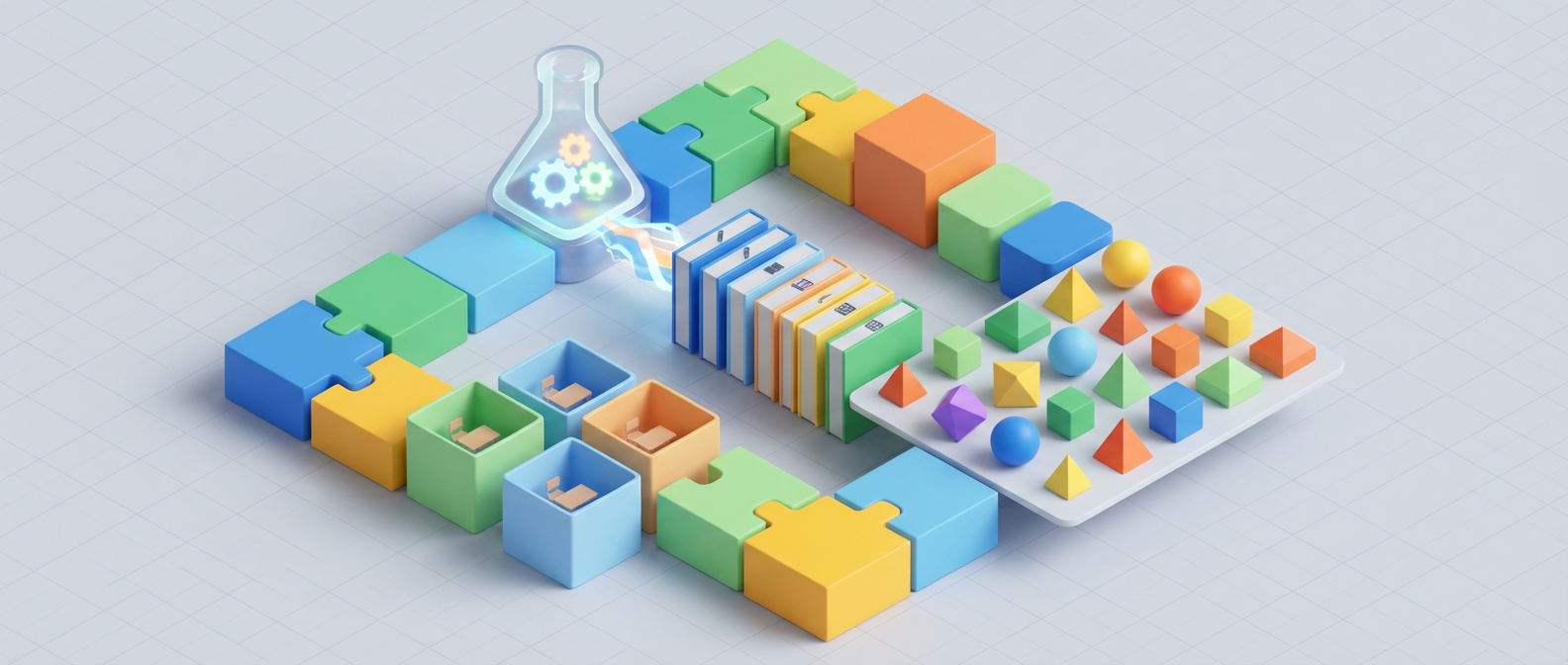
This is the reality that’s shifting right now in classrooms across the country. The science behind how we actually learn and remember information has finally caught up with classroom practice, and it’s upending everything we thought we knew about effective homework. What started as a whisper in cognitive psychology labs is now becoming mainstream curriculum design. If your student brought home math homework that looks like a chaotic mix of problem types, you’re witnessing something genuinely important happening.
What the Research Actually Says About Memory and Practice
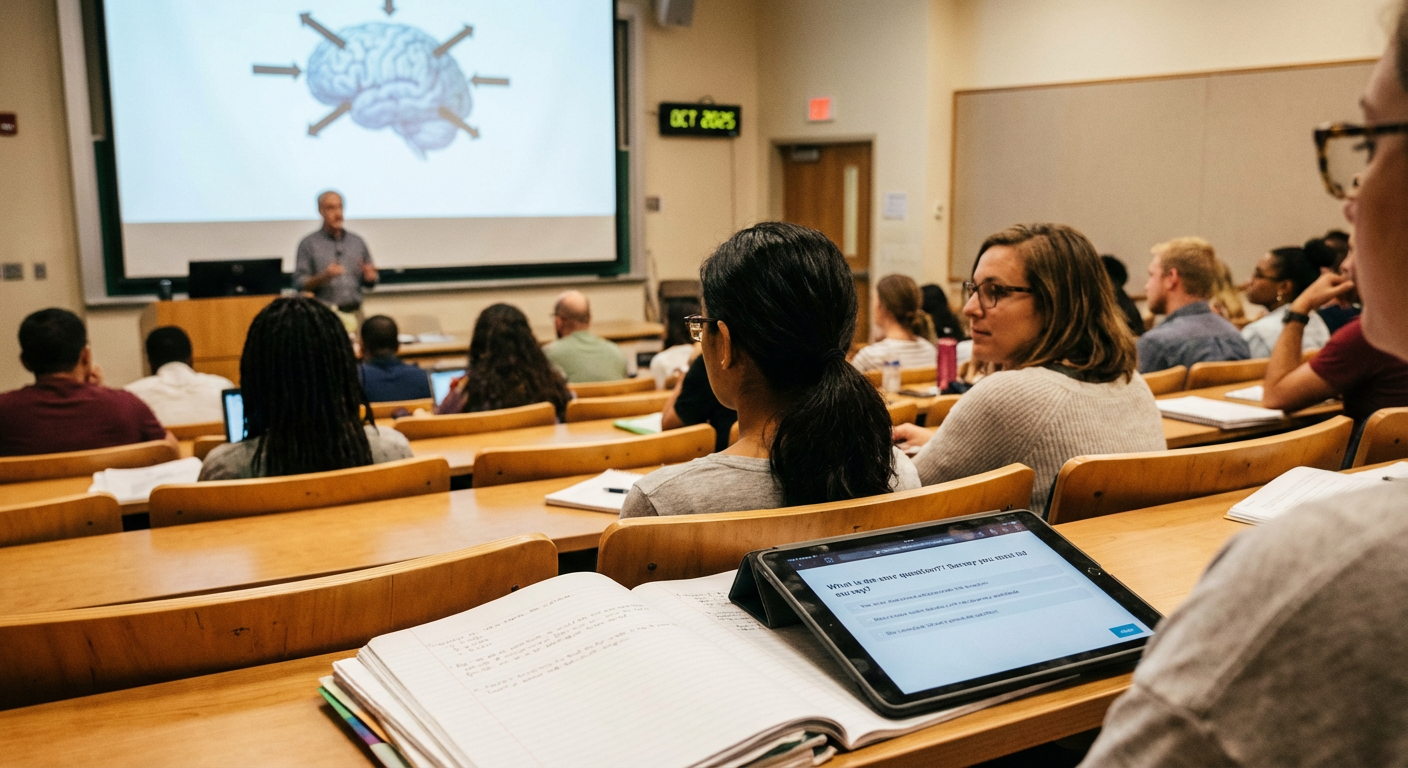
Let me take you inside the cognitive science for a moment, because this is where the magic happens. When your brain encounters a new problem type, it doesn’t just file it away neatly in one folder. It’s constantly making decisions about which mental tools to retrieve and apply. When you practice ten identical problems in a row—what researchers call “blocked practice”—your brain gets lazy in the best possible way. It remembers what worked last time and just applies the same solution again and again. You feel competent. You feel like you’re learning. But you’re actually training your brain to recognize one very specific pattern, in one very specific context.
A landmark analysis published in 2025 that reviewed 54 separate studies involving over 11,000 students found that when students mixed up their practice problems instead—solving different types of problems in the same session—they retained the material significantly better. We’re talking about an effect size of 0.42, which translates to real performance differences on actual tests. That’s not a marginal improvement. That’s the kind of change that moves a student from a B to an A.
The mechanism is what Dr. Robert Bjork’s research team at UCLA calls “desirable difficulties.” When a problem feels slightly harder because you have to stop and think about which strategy to use, that struggle is exactly what builds memory that lasts. Research from the Bjork Learning and Forgetting Lab UCLA shows that practicing with these kinds of difficulties—including mixing up problem types and spacing practice over time—can improve long-term retention by as much as 40% compared to traditional practice where you do all the same type of problem at once.
What This Actually Looks Like in Real Classrooms
So what does this mean when your sixth grader hands you their homework sheet? Two years ago, you might have seen a page of fifteen fraction addition problems. This year, you’re seeing five fraction addition problems, three fraction subtraction problems, four problems that mix fractions with whole numbers, and three problems that require students to decide which operation to use before they even solve. It looks messy. It feels less focused. Your instinct might be that it’s less effective. Your instinct would be wrong.
Two of the largest K-8 math curricula in the United States—Illustrative Mathematics and Zearn—both made explicit interleaving a central feature of their 2025 updates. These curricula now reach an estimated 4.5 million students across the country. This isn’t an experimental fringe approach anymore. This is mainstream. The problem sets are intentionally designed so that students can’t coast on autopilot. They have to engage their thinking differently with each problem.
Here’s a concrete example of how this works in practice. Let’s say your student is learning about solving linear equations. With old-style blocked practice, the homework might be: solve for x in problems 1-20, where every single problem follows the pattern ax + b = c. Your student would solve problem 1, figure out the steps, then apply those same steps nineteen more times. With interleaved practice, the same homework might have students solve problems with that pattern mixed with equations where they need to combine like terms first, equations where the variable appears on both sides, and one or two problems where they need to recognize that the equation has no solution or infinitely many solutions. Students have to think about which approach fits each problem. That thinking is where learning happens.
Why Teachers Weren’t Doing This Already
Here’s something that might surprise you: most teachers never learned this in their teacher preparation programs. A 2025 survey by the Learning & the Brain Foundation of 3,400 U.S. teachers found that only 18% reported receiving any formal instruction in evidence-based memory science principles during their pre-service education. Teachers were trained to teach content, but not necessarily trained on the cognitive science of how that content sticks in students’ long-term memory. That’s changing now, but there’s a genuine lag between what the science shows and what teachers were taught.
The UK’s Education Endowment Foundation rated interleaving as a “high impact, low cost” teaching strategy in their 2025 update, estimating that it could lead to approximately seven additional months of learning progress for secondary students. When the evidence is that strong, change accelerates. Curriculum developers listen. Professional development programs shift. Teachers start asking different questions about how they design practice.
What You Can Do Right Now
If your student is experiencing this shift toward interleaved practice, you’re actually in a good position to support it in a way that matters. When your student complains that their homework “doesn’t make sense because the problems are all different,” you can explain what’s actually happening—that the variety is the whole point. You can help them see that the struggle of figuring out which approach to use is the learning itself, not a sign that something is wrong.
You can also look for this approach in the resources you choose. If you’re selecting practice problems from online platforms or supplementary materials, the Education Endowment Foundation Teaching and Learning Toolkit offers evidence-based guidance on effective practice strategies. Seek out problem sets that mix types rather than block them. Notice when your student’s curriculum is asking them to decide which strategy to use, not just apply a single known method.
Most importantly, shift your view of what effective practice looks like. Homework that feels easy and flows smoothly might actually be less effective than homework that requires more thinking and feels slightly harder. Your role isn’t to help your student get through the homework faster. Your role is to help them understand why the homework is designed the way it is, and to normalize the productive struggle that comes with interleaved practice. That’s when the real learning happens.
