The Great Educational Experiment: Lessons from Five Years of Digital Transformation
The pandemic forced the world into the largest uncontrolled experiment in educational technology we’ve ever seen. Five years later, the data tells a messy story of transformation, loss, and some genuinely surprising discoveries. Sure, emergency remote learning was a disaster at first, but the way digital tools have stuck around has completely changed how we think about learning and skill development.
What really catches my attention is how permanent these changes feel. Major online learning platforms like Coursera and edX now have almost 100 million learners combined. These aren’t just people who signed up during lockdown and forgot about it. The numbers have stayed high, which is honestly incredible when you think about how tiny online learning was before 2020. We’re not asking whether digital education will stick around anymore. The real question is whether we can figure out how to make it actually work for the learning problems we’re still facing.
The Measurement of Loss: Understanding K-12 Learning Gaps
The standardized testing data is pretty brutal. Five years after schools first closed, we can still measure learning gaps across every grade level. Math got hit the worst. These aren’t just numbers on a spreadsheet. We’re talking about millions of kids whose entire educational path got derailed during some of the most important learning years of their lives.
The science behind why these gaps stick around comes down to how learning actually works, especially in math. You need those building blocks in place. When kids miss foundational concepts, it creates this domino effect where everything else becomes harder to understand. Remote learning tried its best, but it often missed those quick feedback moments and peer interactions that help concepts really click into place.
Here’s the thing though, new research shows we can actually fix these gaps with the right approach. It comes down to understanding how memory works and how skills transfer from one context to another. Then you design learning experiences that recreate what made traditional classrooms effective, whether that’s happening online or in a mix of formats. The74 education journalism has covered tons of schools that successfully closed learning gaps by combining good human teaching with smart use of technology.
AI as Learning Partner: The Promise of Personalized Tutoring
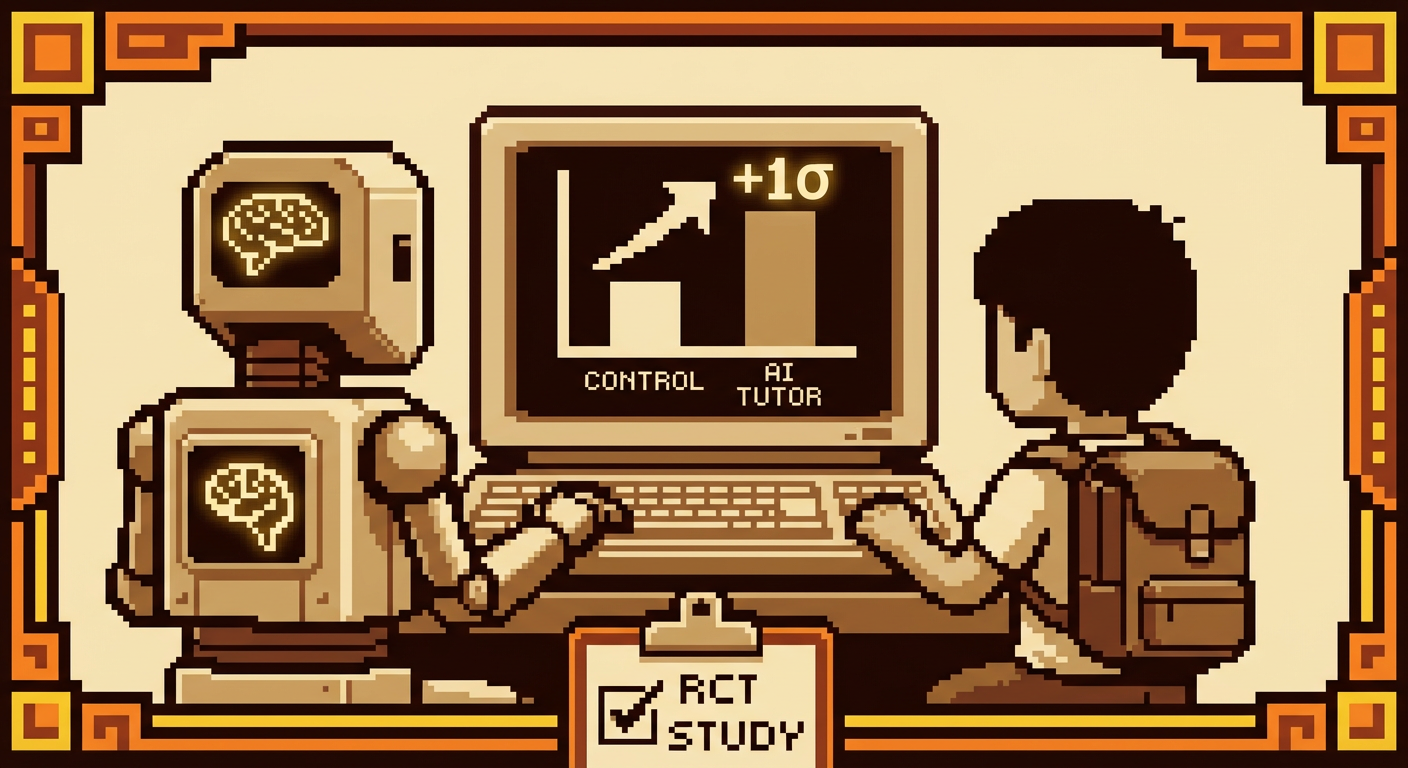
AI tutoring systems are finally doing what we’ve been promised for decades. Solid research shows these tools can boost math learning by one standard deviation. That means taking a kid from the middle of the pack to the 84th percentile. That’s huge.
What makes AI tutoring work so well comes down to two things: adaptive feedback and spaced repetition. These systems are incredibly good at figuring out exactly where a student is struggling and adjusting the difficulty in real time. They can give unlimited practice while keeping things challenging but not overwhelming. Try doing that in a classroom with 30 kids and one teacher.
But what really excites me is that these systems are starting to understand the thinking process behind learning. By looking at response patterns, how long students take, and what kinds of mistakes they make, AI tutors can spot misconceptions before they get stuck in a kid’s head. Instead of waiting until a student is already struggling, we can catch problems early. That’s a complete flip from how education usually works.
The Crisis of Human Capital: Teacher Shortages and Alternative Pathways
We’re in a full-blown STEM teacher crisis. Between retirements, career changes during the pandemic, and not enough new teachers entering the field, we have supply gaps that traditional hiring just can’t fix fast enough. This isn’t something we can solve with business as usual.
At the same time, employers are getting much more comfortable with micro-credentials instead of traditional degrees. These focused, skill-specific certifications make sense for how careers actually work now. Most jobs require constant learning and relearning rather than getting all your education upfront and calling it good. The learning research backs this up: competency-based credentials often predict job performance better than broad academic degrees anyway.
When you put the teacher shortage together with employers accepting alternative credentials, you get some interesting possibilities for rethinking how education works. EdSurge education technology has covered innovative programs where working professionals with micro-credentials teach specialized classes, bringing real-world expertise directly into schools. It’s a way to use the knowledge that’s already out there while dealing with staffing problems.
The Homeschool Revolution: Sustained Changes in Educational Choice
Homeschooling rates are still about triple what they were before the pandemic. This isn’t families waiting for things to go back to normal. This is a permanent shift for many parents who discovered educational approaches that actually work better for their kids. The fact that these numbers have stayed high tells me many families found something they weren’t getting in traditional schools.
Learning science shows that highly individualized instruction can be incredibly effective when done right. Homeschooling often creates perfect conditions for mastery-based learning, where kids move forward based on actually understanding something rather than because the calendar says it’s time. It also lets kids dive deep into what they’re genuinely interested in, which research shows dramatically improves motivation and how much they remember.
The catch is that successful homeschooling requires parents to understand a lot about how learning works, and most figure this out through trial and error. The families doing it well combine structured curriculum with flexible pacing. They assess regularly and adjust based on what’s working. They stay connected to broader learning communities. These principles mirror what works in traditional schools, which suggests success has more to do with how well you implement good practices than whether you’re in a school building or not.
The post-pandemic education world gives us both serious challenges and opportunities we’ve never had before. The approaches that seem most promising combine human expertise with technology, personalized learning with community connection, and evidence-based practices with innovative ways of delivering them. For educators, policymakers, and families, the question is how quickly we can actually use what we’ve learned about effective education in these new ways of doing things.
