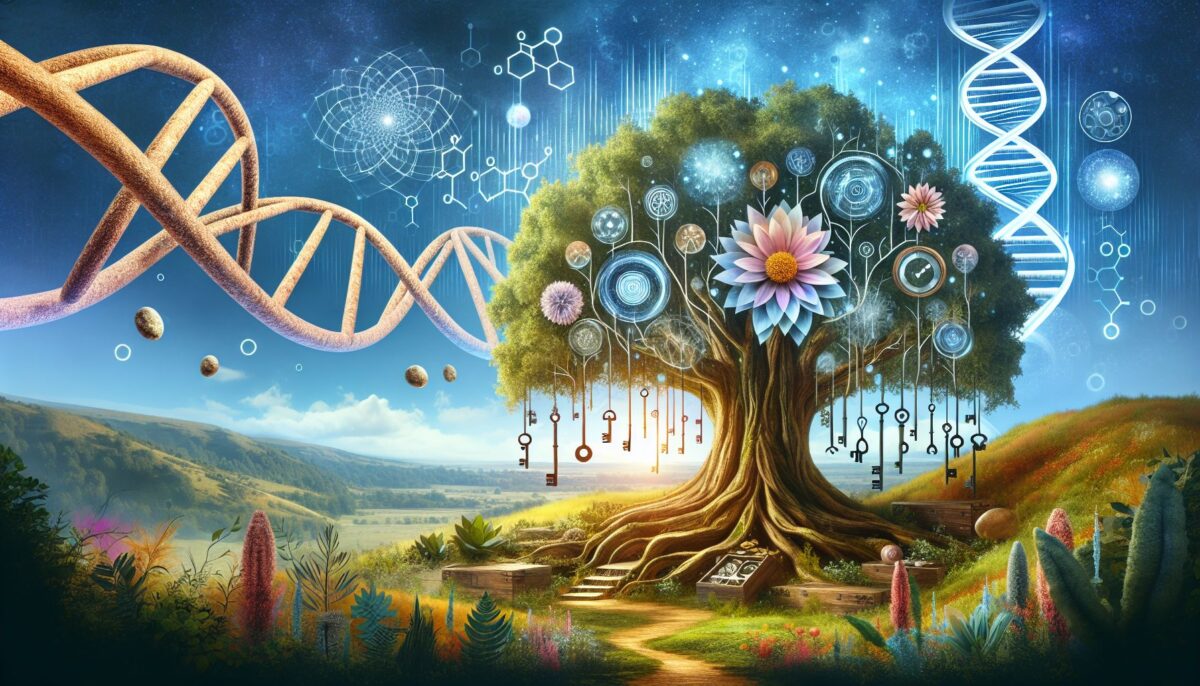
Hey fellow tech enthusiasts, let’s talk about something both exhilarating and a bit mind-bending — not just living longer, but living better, healthier lives. The idea we’re chewing on today is longevity. Yup, that catch-all term that’s not just about adding years to our lifespan, but also making those years as healthy and disease-free as possible. Sounds like science fiction? Hang on, because the breakthroughs are closer than you’d think!
A New Era of Longevity Research
I’ve been diving into the latest reports and it feels like every month we’re hitting a new milestone. Scientists and researchers are getting closer to peeling back the layers of aging, much like the endless layers of an onion, except it’s the kind you actually want to get to the bottom of.
Organizations like the Buck Institute for Research on Aging and Harvard’s David Sinclair lab are working tirelessly, examining everything from the role of genes to the impact of environmental factors on our cellular makeup. It’s like they’ve got a map and are slowly filling in the blanks. And what happens when they finally connect all those dots? Well, folks, we’re talking about an old age that might not suck.
Gene Therapies Meet the Fountain of Youth
One of the frontrunners in this race is gene therapy. Ever wished you could just nix a bad trait from your family’s genetic roll of dice — no more bad backs or high cholesterol? Well, that’s what gene therapy aims to do. Using CRISPR and other gene-editing technologies, scientists are learning how to alter specific genes to either prevent them from misbehaving or enhance their positive qualities. Think of it like updating the software on your phone, except it’s your body, and the stakes are a tad higher than whether that new app loads an emoji faster.
To make it a bit more relatable, imagine running a marathon (if that’s your thing) without feeling like you’re dragging lead weights behind you because your muscles and joints feel twenty years younger. It’s like replacing your body’s worn-out parts with a brand-new set. By manipulating genes, researchers aim to delay the onset of age-related diseases like Alzheimer’s, heart disease, and even some cancers.
Nutraceuticals: Not Your Average Supplements
If you thought popping a daily multivitamin was enough to keep the doctor away, hold onto your hats. We’re now stepping into the age of nutraceuticals — supplements designed to work at the molecular level to promote longevity. Thanks to some brilliant minds, like biologist David Sinclair, we now have a deeper understanding of molecules like NAD+ (Nicotinamide Adenine Dinucleotide). This naturally occurring molecule declines as we age, but with supplements that boost its levels, we’re starting to see promising results in muscle function and metabolism for older test subjects.
And let’s not overlook the booming field of senolytics. These are drugs that specifically target senescent cells — the cellular freeloaders that accumulate as we age and contribute to inflammation and tissue breakdown. By selectively eliminating these cells, senolytics offer the potential to refresh aging tissues. Talk about detoxing at a whole new level!
Biotech Startups: Pushing the Envelope
Over the last few years, tech startups have been popping up like mushrooms after a rainstorm, and they’re aiming their sights on exactly these types of therapies. Calico Life Sciences, backed by Google’s parent company Alphabet, is a heavyweight in this space. They’re banking on deep learning models to unravel the complexities of age-related paths in the human gene.
With heavy hitters like Altos Labs and their billion-dollar funding pool, the industry isn’t kidding around. These companies are recruiting top-tier talent from various fields — anything from bioinformatics to epigenetics — in a bid to accelerate discoveries and take advantage of emerging technologies.
The Social and Ethical Jungle Gym
All this isn’t happening in a vacuum. Extending human life raises some hefty ethical considerations, not to mention social implications. If everybody lives to 120, what happens to population density, job markets, and natural resources? Will society start treating retirees as the norm rather than the exception? Plus, of course, there’s the notorious wealth gap bringing its own set of challenges. It’s not ideal if only the ultra-rich can afford these treatments while the rest of us are left watching from the sidelines.
It feels a little bit like an episode of “Black Mirror,” doesn’t it? But let’s keep it real; these technological breakthroughs offer us a tangible hope that we might overcome some of humanity’s most stubborn diseases. The key is doing it responsibly, with one foot in technological advancement and the other firmly grounded in ethics and equity.
Speculating About the Future
Crystal balls aside, if these efforts bear fruit, we’re looking at an era where medicine is personalized at the genetic level — not just to treat illness but to enhance quality of life preemptively. Within the next two decades, imagine getting a yearly update not just on your health, but on your ‘cellular software’ with actionable tweaks to your lifestyle or therapies that could keep the Grim Reaper at bay.
Could we be heading toward a world where birthday cakes stack up for over a century while people remain actively contributing members of society and not just accruing wisdom in a rocking chair? Sure, it sounds utopian, but sometimes a little crazy helps kickstart the miraculous.
Conclusion: A New Age of Optimism
So, there we have it. We’re not just racing against death; we’re redefining the playing field. These advancements aren’t pie-in-the-sky fantasies, but tangible breakthroughs that are finding their footing in today’s science world.
Every day we’re inching closer to a world where longevity isn’t a byword for protracted old-age ailments but a healthy, robust, and active life. And who knows what’s next? Maybe when we’re all 100, running marathons, and rocking out at concerts together, we’ll look back and wonder how we ever thought differently.
So let’s keep our fingers crossed, our minds open, and our genes flexible. Here’s to a world that blurs the lines between science fiction and science fact, with a promise that’s oh-so-very sweet!
